
Data Traceability 101: Benefits, Challenges, and Implementation

Table of Contents
Your data is everywhere. It flows through dozens of systems, gets transformed by hundreds of processes, and touches thousands of users. When someone asks where a critical metric came from or why yesterday’s report doesn’t match today’s dashboard, can you answer with confidence?
Most organizations can’t. They’ve built sophisticated data pipelines and analytics platforms, but they’ve lost sight of something fundamental. They don’t know what happens to their data between point A and point B. This blind spot creates real problems. Bad decisions based on incorrect data. Failed audits because you can’t prove compliance. Hours wasted hunting down data quality issues.
Data traceability solves this problem by creating a complete record of your data’s journey. Every source, every transformation, every access point gets tracked and logged. It’s like having a GPS tracker on every piece of information flowing through your organization.
This isn’t about adding more bureaucracy to your data processes. It’s about building systems that automatically capture the right information at the right time. When traceability becomes part of your data infrastructure, you stop playing detective and start preventing problems before they happen.
The business case is clear. Organizations with strong data traceability make better decisions, pass audits with less stress, and fix data issues in minutes instead of days. They turn data from a liability into a strategic asset they can actually trust.
Let’s look at how this works in practice and how you can implement it in your organization.
Table of Contents
What is Data Traceability?
Data traceability is the process of tracking data’s flow, transformations, and usage from its creation to its final destination across its entire lifecycle. Think of it as a comprehensive audit trail for your data assets.
Data traceability answers four critical questions about your information. Where did this data come from? How has it changed along the way? Who accessed or modified it? When did these events occur? Every interaction gets logged, creating a complete history of your data’s journey through your systems.
This matters because modern organizations run on data. You need to know your information is accurate and trustworthy. Data traceability ensures accountability at every step by logging all events related to the data. When something goes wrong, you can trace back through the history to find exactly what happened and fix it.
Data traceability isn’t just a nice feature. It’s a fundamental part of data governance and management practices. Regulations increasingly demand that companies can prove where their data came from and how they’ve handled it. While compliance is important, traceability also builds trust. Your stakeholders can see exactly how data moves through your organization, which transformations it undergoes, and who’s responsible for each step.
The result is transparency you can rely on. When you implement strong data traceability, you’re not just tracking information. You’re building a foundation for better decision making across your entire organization.
Data Traceability Serves 3 Purposes
The ultimate aim of traceability is to better understand the data. “Nothing can be believed unless it’s first understood,” wrote the 12th century French philosopher Peter Abelard.
Why is this important? Because it’s central to three big things: ensuring data quality, governance, and compliance.
Data Quality: Trust but Verify
You wouldn’t drive a car with unreliable brakes, and you shouldn’t trust data that hasn’t been through a quality check. Data traceability helps audit how this data has been handled, which is the first step in making sure it’s accurate, reliable, and up to date. Traceability lets you see who did what to the data and when they did it. This kind of transparency builds trust, leading to better decision-making since everyone can verify that the data hasn’t been tampered with or mishandled.
Governance: Keeping Data in Check
Governance isn’t just about preventing unauthorized access; it’s about keeping a firm grip on how sensitive data moves through its lifecycle. Data traceability makes sure that when something goes wrong, be it a major data breach or just a simple miscalculation, you can quickly track where things went wrong.
Compliance: Navigating all of the Regulations
There is a whole alphabet soup of regulations-GDPR, HIPAA, CCPA-that you have to pay attention to unless you want to face fines or worse. With clear data provenance from traceability, a company can easily prove they’re in compliance.
Data Lineage vs. Data Traceability: What’s the Difference?
The terms data lineage and data traceability often get thrown around like they’re the same thing, and for the most part, they are—except some small details where they’re not.
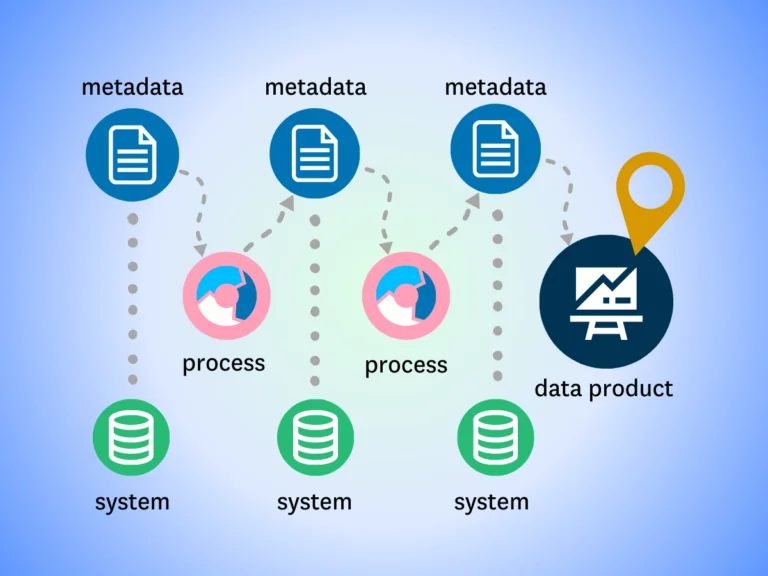
Data lineage gives a very detailed view into the data’s journey, showing the minitua of every transformation. Meanwhile, data traceability gives a higher-level overview into specific changes to individual data points, perfect for audits by non-technical users.
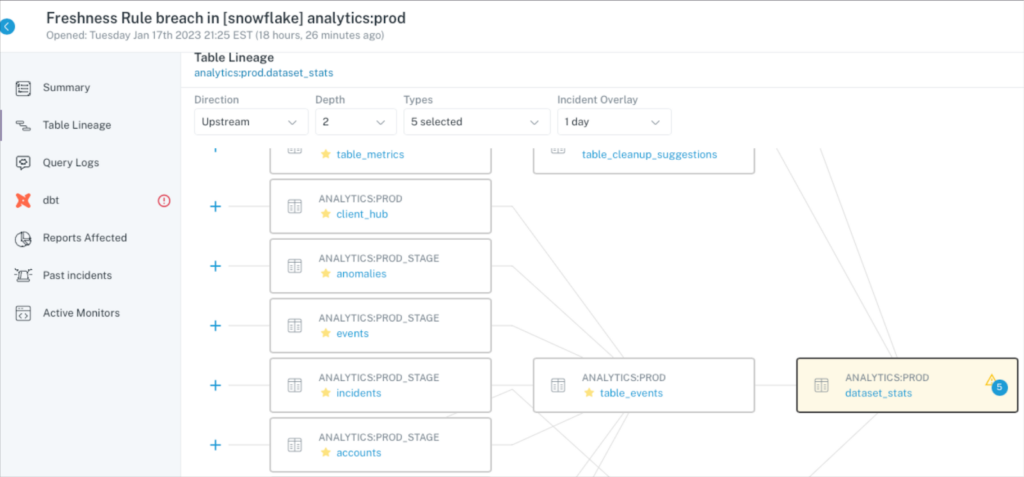
Implementing Data Traceability
Now, how do you actually get this done? Implementing data traceability means you need to embed metadata at every key point of data’s journey. It’s about monitoring where your data originates, how it’s transformed, and who touches it along the way.
Here’s what it looks like:
Track the Origin
Whether it’s pulled from internal databases, external APIs, or third-party sources, you need to know where the data came from. Every data point should carry its origin story. This means capturing source system details, timestamps, and initial data quality metrics right from the start.
Monitor Transformations
Then, you need to keep tabs on how the data changed through aggregations and transformations. Each calculation, filter, or modification needs documentation. When someone questions a metric six months later, you should be able to show exactly which business rules were applied and when.
Follow the Data
And you also need to track how it moved across environments, be it on-premises, cloud, or hybrid setups. Data rarely stays in one place. It flows between systems, crosses security boundaries, and gets replicated across regions. Your traceability system needs to capture every hop.
Log Access and Usage
Finally, you need to add information on who is accessing and using the data and how it’s being consumed in dashboards, reports, and analytics. This isn’t just about security. It’s about understanding your data’s actual value and impact across the organization.
Realistically, this process has to be automated. Manual tracking breaks down fast when you’re dealing with thousands of data pipelines and millions of records. Even better, it should be implemented as part of a larger data governance or data observability framework to save the hassle and to make sure everything is consistent. The right tools make traceability automatic, not an afterthought. Even better, it should be implemented as part of a larger data governance or observability framework to save the hassle and to make sure everything is consistent.
Benefits of Data Traceability
So what’s the payoff for implementing data traceability? The benefits touch every part of your data operations, from daily troubleshooting to annual compliance audits. These aren’t theoretical advantages but practical improvements you’ll see immediately.
Accountability
You can see exactly where data comes from and how it changes, making it easier to assign responsibility when something goes wrong. No more finger pointing or endless meetings trying to figure out who did what. Every action has a name and timestamp attached.
Root Cause Analysis
When an issue pops up, you can trace back through the data lifecycle and quickly pinpoint the problem, reducing data downtime. Instead of spending days investigating why your numbers don’t match, you follow the trail and find the exact transformation that went sideways. Fix it once, fix it right.
Consistent Data Quality
By capturing every modification and movement, you make sure your data maintains consistent data quality across all your systems. You know which validation rules were applied and when. Data quality checks become part of the process, not an afterthought you hope someone remembered to do.
Simplified Compliance
Audits and reporting becomes easier with transparent traceability records. When regulators ask how you handle customer data, you show them the complete journey. No scrambling to piece together documentation. Everything’s already there, ready to prove you’re doing things right.
Possible Data Traceability Challenges
Of course, it’s not all smooth sailing. Like any process, data traceability comes with its own set of challenges. Knowing these obstacles upfront helps you plan for them and build solutions that actually work.
Data Silos
In large organizations, data often lives in disconnected systems, making it hard to trace. Your marketing team uses one platform, sales uses another, and finance has their own setup entirely. Creating traceability across these silos means bridging technical gaps and organizational boundaries. You need both the right technology and the political capital to make it happen.
High Velocity
Tracking massive amounts of fast-moving data can be difficult if that data is constantly flowing. Real-time streams, IoT sensors, and high-frequency trading systems generate millions of events per second. Traditional tracking methods simply can’t keep up. You need specialized tools designed for speed, and even then, you might have to make tough choices about what to track and what to sample.
Manual Processes
There will eventually be some sort of manual edit to your data, it probably won’t be tracked, and it likely will be one of the most important changes. Someone exports to Excel, makes a “quick fix,” and uploads the result. These manual interventions break the traceability chain right where you need it most. The solution isn’t eliminating manual processes entirely but building systems that capture and document these human touchpoints.
Tracing Data with Monte Carlo
But how can you best deal with these challenges? With a data observability platform like Monte Carlo that takes traceability to the next level.
With Monte Carlo, you get real-time data monitoring, automated lineage tracking, and a proactive approach to catching data issues before they become business problems.
Want to learn more? Talk to our team!
Our promise: we will show you the product.
Frequently Asked Questions
What is the difference between data lineage and data tracing?
Data lineage provides a detailed view of the entire journey of data, capturing every transformation step-by-step. Data traceability, on the other hand, offers a high-level view of specific changes for easier audits and tracking.
Why is data traceability important?
Data traceability is crucial for ensuring data quality, governance, and compliance. It enables transparency, accountability, efficient root cause analysis, and eases regulatory audits by making data flow visible and verifiable.


